A Spring Equinox Storytelling Checklist: 8 Mindful Ways to Welcome the Light

The spring equinox is a hinge in the year. Day and night stand level, then the light begins to win. It is a good moment for stories — not the polished, performed kind, but the small ones we tell each other about what is coming back.
What follows is a checklist of eight storytelling and reflection activities for marking the equinox, whether you have twenty minutes on your own or a room full of people and a pot of tea. Treat it as a menu, not a duty. Two or three items will do.
Why the Equinox Suits a Story
Balance is hard to hold in the head, but easy to hold in a story. A tale has a dark half and a light half; something is lost, something is found, and the listener sits between the two. That is the equinox in miniature.
Stories also mark change better than resolutions do. "I will be more patient" slides off by Tuesday. "The seed that slept all winter is pushing up through the soil" stays put, because you can picture it. You do not need a fire, a ritual or good weather. A kitchen table and fifteen minutes of attention are enough.
The Eight-Point Storytelling Checklist
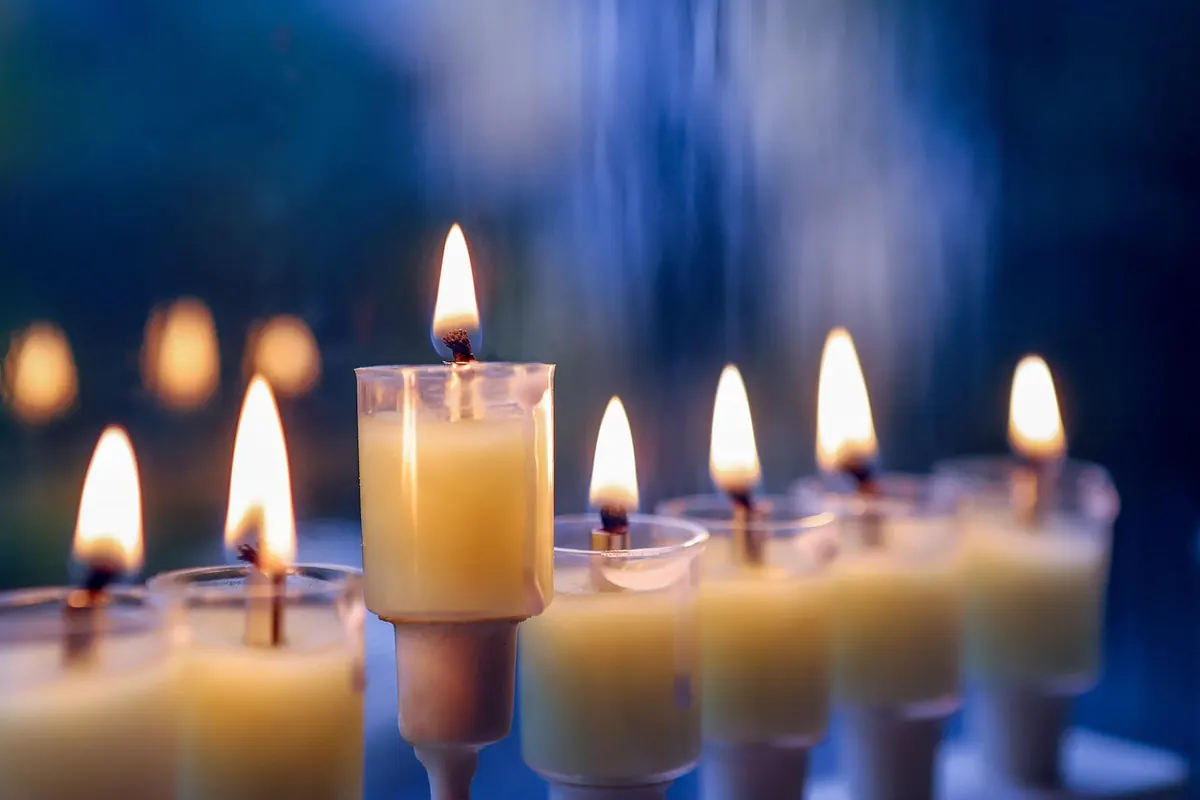
- Set a small scene. Choose a spot and a time — a doorstep at dusk, a garden bench, the last hour of daylight. Put one or two objects there: a candle, a bowl of seeds, a smooth stone, a notebook. Objects give the telling a clear beginning and end.
- Tell the story of something returning. One thing only. Light moving along a wall. A bird you had not heard since October. Your own willingness to make plans again. Two minutes, out loud, to whoever is present — even if that is just you.
- Read a spring tale aloud. Old stories work well here: Persephone returning from the underworld, the hare that carries the spring, the seed that waits in the dark. Read slowly, and resist the urge to explain the meaning at the end. Let it sit.
- Hold a light-and-dark round. Each person offers one thing from the dark half of the year and one from the light. Two sentences each, no comments, no fixing. Listening without responding is the whole practice.
- Balance a story you tell about yourself. Take a story you repeat — the job that went wrong, the year you were brave — and add the half that is missing. If it is all failure, name what it taught you. If it is all triumph, name what it cost.
- Plant a story seed. Write one sentence about what you hope will be true by midsummer. Seal it in an envelope, or tuck it behind a book. Do not open it until the longest day.
- Tell it in real light. Take the reading outside, or sit by an open window at dawn or dusk. No screens, no lamps. The changing light does half the work of setting the mood, and you will remember the telling far longer.
- Give one story away. Retell something you heard this week to someone who was not there: a neighbour, a friend, a note left in a returned library book. Stories last when they move.
If You Are Marking It Alone
Choose two items, not eight, and give them half an hour. A candle and a notebook are the whole setup. Write down the story of something returning in three sentences, then read it back once, slowly, as though someone else had written it.
If you feel low or are carrying grief, keep the tone gentle and skip anything that asks you to balance loss against gain. Reflection is not therapy. If the dark half of the year has been heavy, a conversation with your GP or a trusted professional is worth more than any checklist.
With Children or Family
Shorten everything. Ten to fifteen minutes is plenty, and the telling does not need to finish neatly. Useful adjustments:
- Let children add a sound, an animal or a repeated line to the story.
- Use a lantern or a torch for the dark half, then blow it out and open a curtain for the light half.
- Eat something at sunrise or sunset — breakfast outside, or tea on the step.
- Plant seeds in a pot and name the pot after the story you told.
Ask one question at the end and no more: "What part did you like?" Then stop.
In a Community Group
Six to ten people is a comfortable circle; more than twelve and the listening thins out. Ask one person to hold the time and to go first, which makes the turn-taking obvious. A small object passed hand to hand marks whose turn it is, and keeps the room quiet between speakers.
Two or three minutes each is generous. Ask for no feedback — no "that reminds me of" — because advice mid-circle breaks the atmosphere faster than anything else. Close with a single sentence everyone says together, or simply with the person who began thanking the group. If you are hosting at home, put the chairs in a circle, keep the lights low, and have water on the table.
A Few Practical Notes Before You Begin
Keep the whole thing under an hour, including the tea. Write one line in a notebook afterwards — a phrase, an image, the name of the story someone told — so that next year you have something to look back at.
Small tellings, repeated at the turning points of the year, do more for a household than one grand ceremony.
And if the equinox passes you by entirely, mark it a week late. The light will still be rising, and the story will still be waiting.